Evidence · By FaceFluent editorial · Published
What a reference does—and does not—prove
A citation is useful only when you can see how it supports the claim beside it.
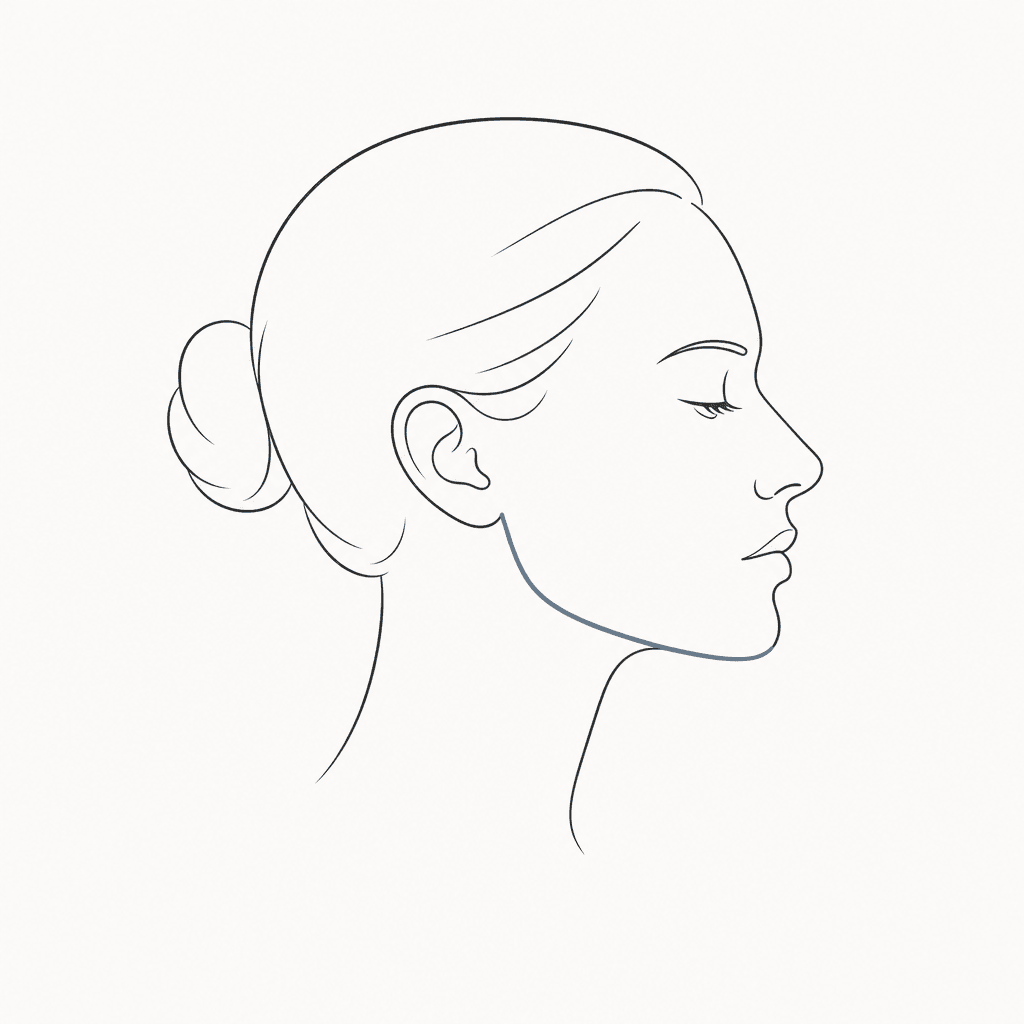
Match source to claim
Detector documentation can describe a model’s outputs. It does not validate an aesthetic recommendation. A preference-based suggestion should be presented as a preference-based suggestion.
Look for limitations
Population, study design, image conditions, and the actual measured outcome can all limit applicability. Correlation does not show that purchasing an assessment causes a better outcome.
Ask for a clearer explanation
Your report should connect the observation, action, reasoning, reference, and uncertainty. If that chain is unclear, ask for a correction before acting.
How these measurements are calculated, and what each one cannot tell you:
- Nose width to eye spacing · drawing convention.
- Midface ratio · no reference band.
Sources and editorial scope
Read the methods or service reference. This reference provides context for the topic; it does not validate every planning suggestion or establish a personal benefit from a haircut or assessment.
Published by FaceFluent, which offers the product described here. These guides are educational and editorial content, not individual advice from a named stylist or clinician. Read our editorial scope or report an error.
Try a haircut on your photo. On-device landmark annotations are optional and stay in this browser.
Try a haircut on my photo Try free face analysis on your device