Measurements · By FaceFluent editorial · Published
Facial thirds and drawing conventions
Some familiar facial proportions come from artistic conventions. Their history does not make them universal targets.
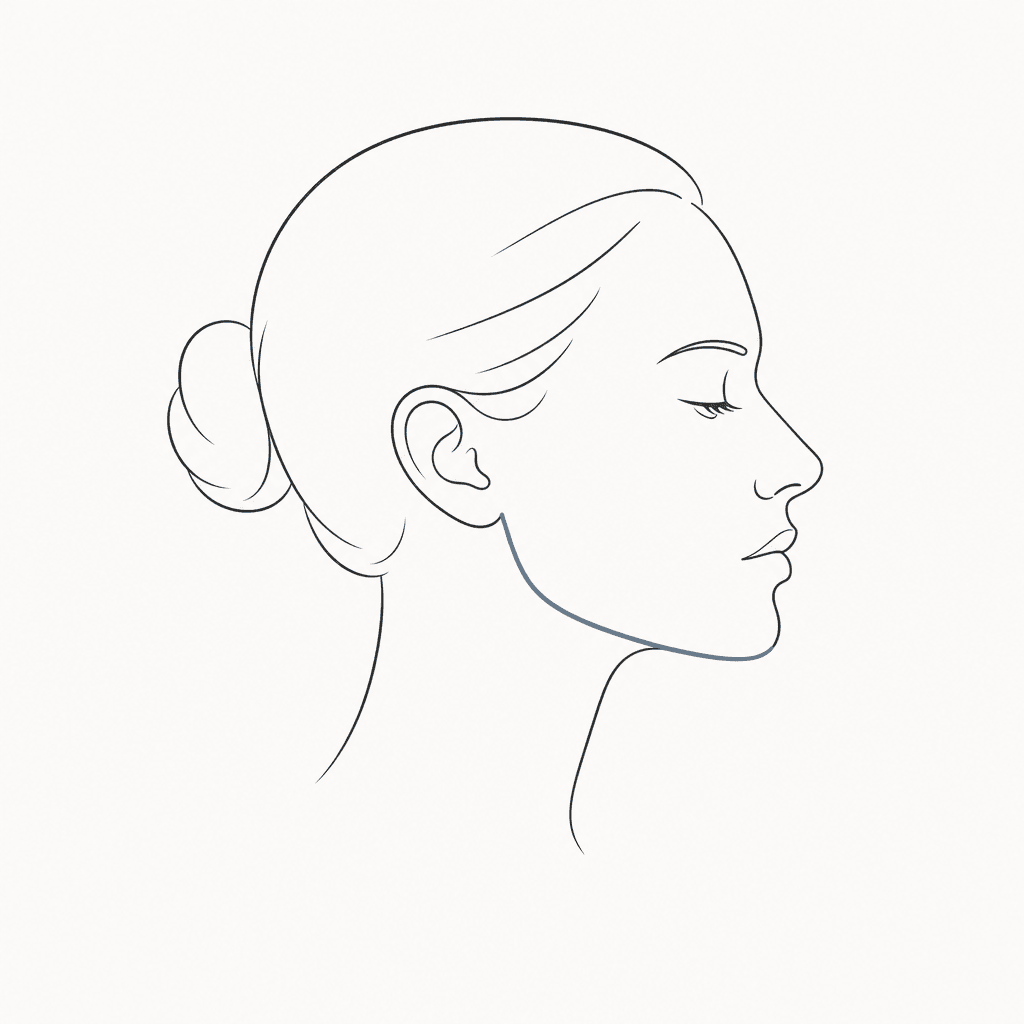
Distinguish a convention from evidence
Equal divisions can help an artist construct a face. That is different from a study establishing a representative range or a personal benefit from changing a proportion.
Photographs introduce another layer
Landmark placement and perspective affect a calculated division. Hairline visibility, expression, and framing can also complicate interpretation.
Read without ranking
Use a proportion as descriptive context when it is relevant. A difference from a drawing convention is not a defect and does not establish a need for intervention.
Of the distance from the base of the nose to the chin, the share taken up above the mouth opening. The convention puts it at about a third.
How upper lip share of lower third is measured, and what it cannot tell youSources and editorial scope
Read the methods or service reference. This reference provides context for the topic; it does not validate every planning suggestion or establish a personal benefit from a haircut or assessment.
Published by FaceFluent, which offers the product described here. These guides are educational and editorial content, not individual advice from a named stylist or clinician. Read our editorial scope or report an error.
Try a haircut on your photo. On-device landmark annotations are optional and stay in this browser.
Try a haircut on my photo Try free face analysis on your device