Grooming and style · By FaceFluent editorial · Published · Updated
Should I cut my hair short? A practical decision guide
Separate the change you want from the maintenance, appointments and styling it may require.
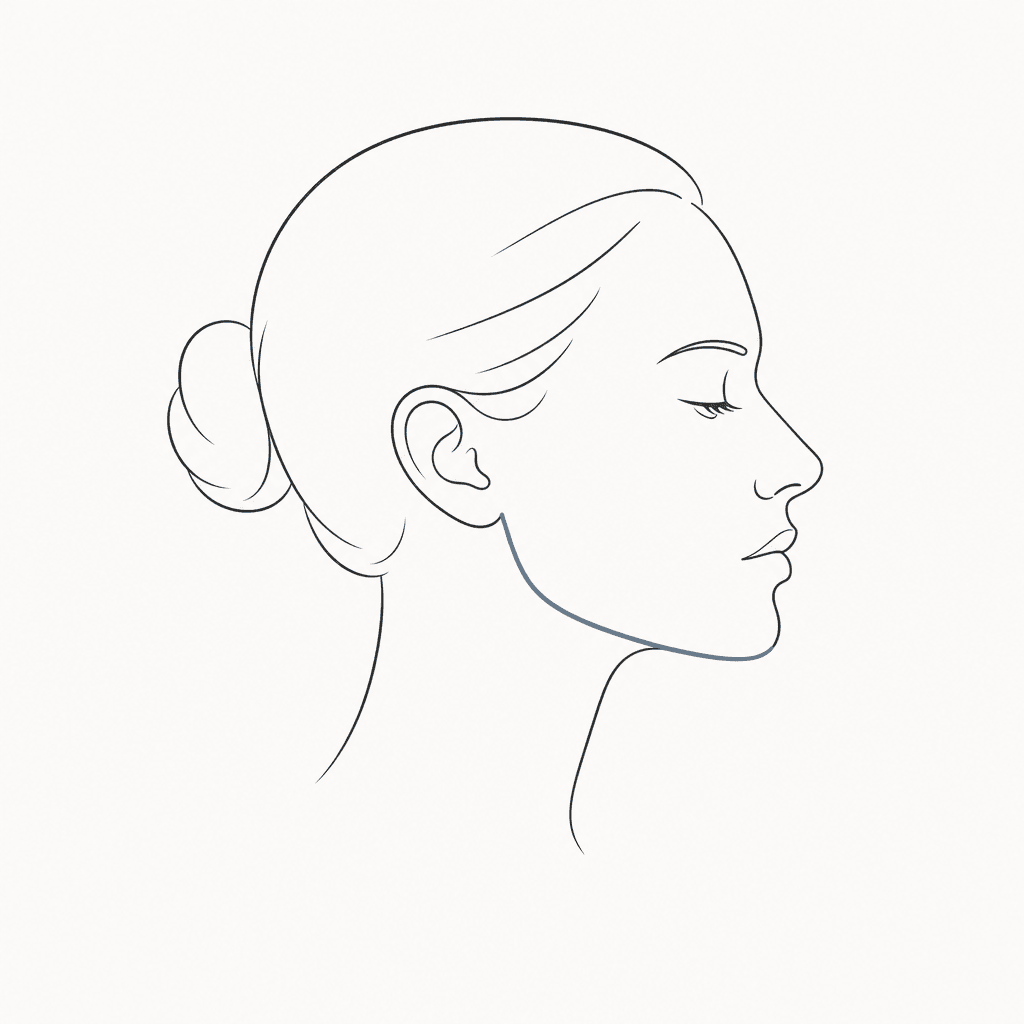
Name what you hope will change
Write one sentence about why you want a shorter cut. Less daily effort, a different outline and curiosity about a new style are different goals. Ask whether the specific cut addresses your goal, rather than assuming that short hair will automatically be easier.
Make an ordinary-week checklist
Consider work, exercise, sleep and the days when you have little time. Do you need to tie your hair back? Are you happy to use styling tools? Which parts of the current routine would you like to keep? Bring these answers to the consultation so the stylist can discuss the tradeoffs.
Count appointments as well as morning minutes
Ask about the expected cut and trim costs, appointment frequency, products and home routine. Compare those with your current spending and time. The American Academy of Dermatology advises limiting excessive heat; include your preference for heat use when discussing the proposed routine.
Discuss a staged change
Ask whether starting with more length would let you explore the direction without committing to the shortest version. Confirm what could be changed at a later appointment and what that would cost. A staged cut is a planning option, not a guarantee that you will prefer the result.
Use the AI image critically
Preview a specific length on your own photo, then compare it with the original. Note the outline you like and any changed facial details or hair texture. An AI image cannot establish how your actual hair will fall, so ask your stylist to check the feasibility before treating it as the agreed result.
Write a yes, no or not-yet decision
Try this brief: “My goal is ___. I want to keep ___. My daily time limit is ___ and my appointment budget is ___. What is the shortest option that fits those constraints?” Choose a cut only if the tradeoffs make sense to you. Keeping the current length or booking a consultation first are useful outcomes too.
Sources and editorial scope
- American Academy of Dermatology: tips for healthy hair
Supports the hair-type and heat-care context only. It does not endorse FaceFluent or establish which haircut will suit you.
- How FaceFluent works
Describes our product flow. The decision questions in this guide are editorial planning suggestions, not clinically validated styling rules.
Published by FaceFluent, which offers the product described here. These guides are educational and editorial content, not individual advice from a named stylist or clinician. Read our editorial scope or report an error.
Try a haircut on your photo. On-device landmark annotations are optional and stay in this browser.
Try a haircut on my photo Prepare a free appointment brief