Measurements · FaceFluent editorial ·
The ratio that studied behaviour, not beauty
fWHR is the most studied single ratio in face perception research. Almost none of that research asked whether a face was attractive.
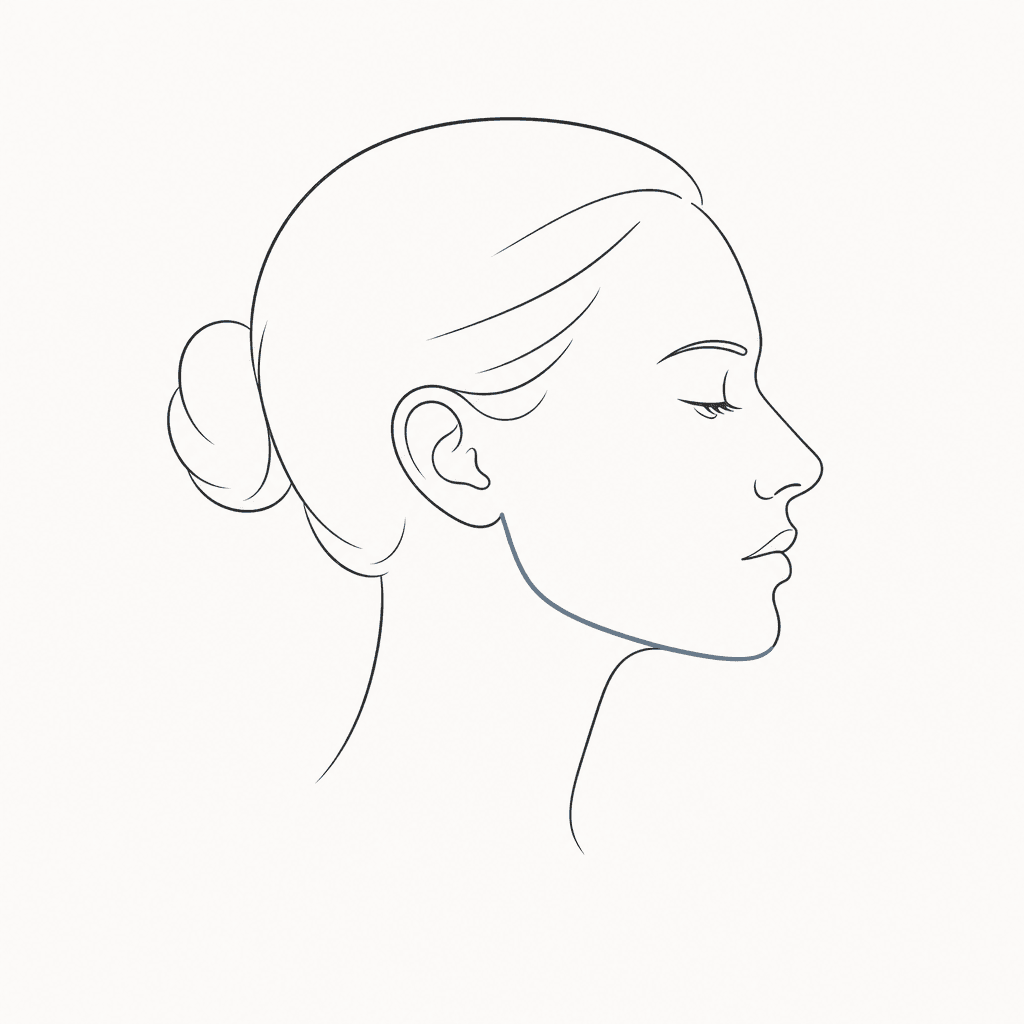
What the ratio compares
Cheekbone-to-cheekbone width divided by the height of the upper face, measured from the brow line down to the top of the upper lip. Both distances come from the same photograph, so the result is unitless and does not depend on how large the face sits in the frame.
Read the original question
The work that made this ratio well known linked it to judgements people make about behaviour, and those findings have been contested since. It was never a measure of attractiveness, and it cannot tell you anything about a particular person’s temperament. A page that presents it as a beauty metric has changed the subject.
Expect it to move with the camera
Weight changes the soft tissue over the cheek, and camera distance stretches or compresses apparent width. A wide-angle selfie and a photograph taken from two metres away will not agree about the same face. A difference between two images is usually a difference between two photographs.
Cheekbone-to-cheekbone width divided by the height of the upper face. It is the most studied single ratio in face perception research, and also the most over-read one.
How facial width-to-height ratio is measured, and what it cannot tell youReference and scope
Read the supporting methods or service reference. This guide provides educational context and planning suggestions. It is not a clinical assessment or a guaranteed-outcome claim.
See how an AI styling plan puts observations, options, and limits together.
Read the sample report